
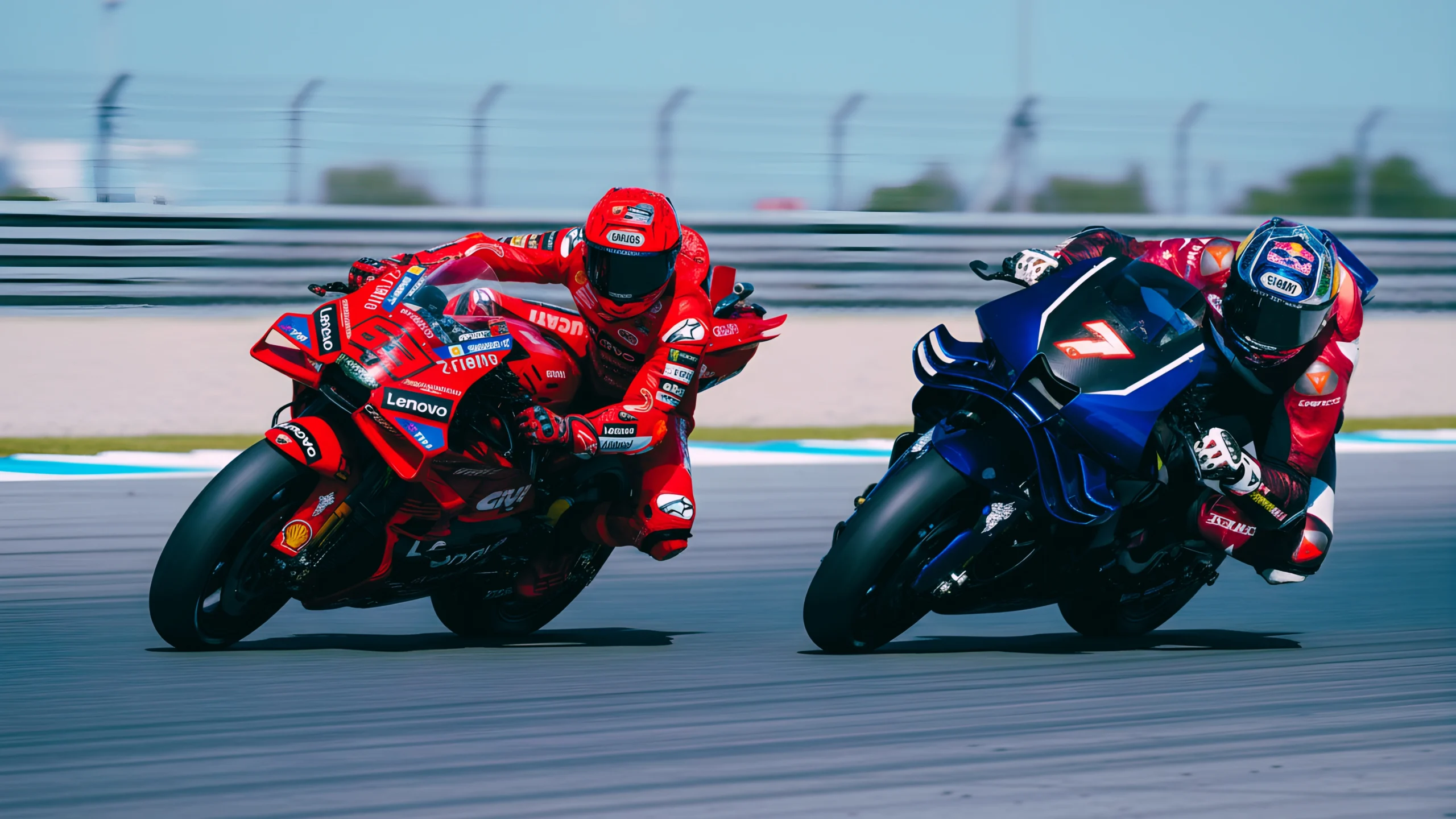
A RIVALRY THAT COULD RESHAPE MOTOGP 2026
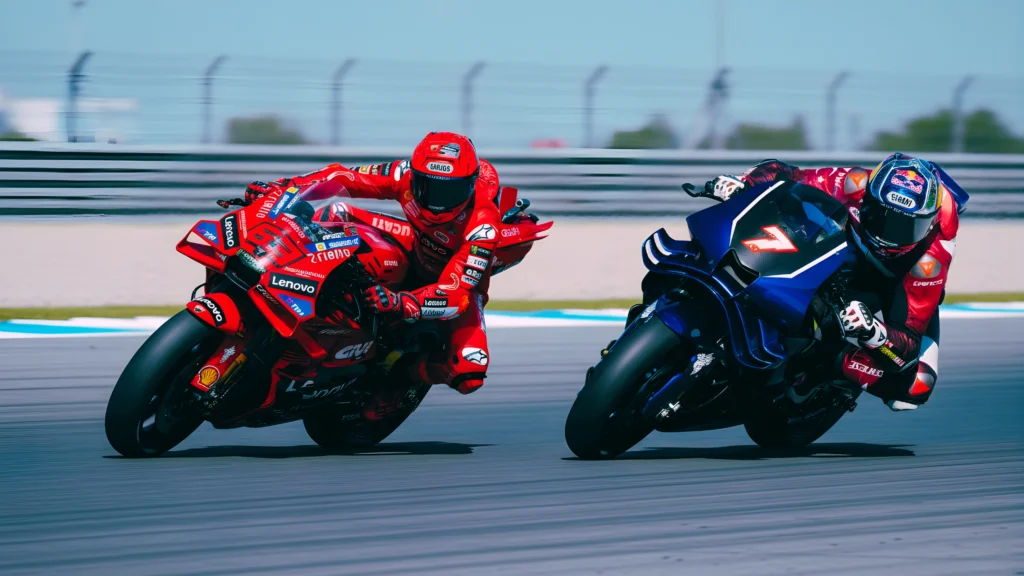
WHY MOTOGP 2026 FEELS DIFFERENT?
The confirmation of Toprak Razgatlioglu’s move to MotoGP for the 2026 season instantly sent shockwaves throughout the racing world. This was not a routine rider transfer or a predictable career step. It was a seismic moment that reframed expectations for MotoGP 2026 and reignited one of motorsport’s most compelling questions: can a World Superbike superstar genuinely challenge the established hierarchy of Grand Prix racing, and more importantly, can he stand toe-to-toe with a rider of Marc Marquez’s stature?
MOTOGP 2026 VS WORLD SUPERBIKE: A DIFFERENT RACING UNIVERSE
On the surface, the challenge appears unforgiving. MotoGP exists in a different universe, defined by prototype machinery that punishes imperfection without mercy. Carbon brakes demand absolute commitment. Michelin tires operate within razor-thin performance windows. Aerodynamics amplify every mistake. In MotoGP, hesitation is not merely costly—it is destructive. Yet history repeatedly reminds us that racing has never been decided by specifications alone, and Toprak Razgatlioglu has built his reputation by thriving precisely where logic suggests he should struggle.
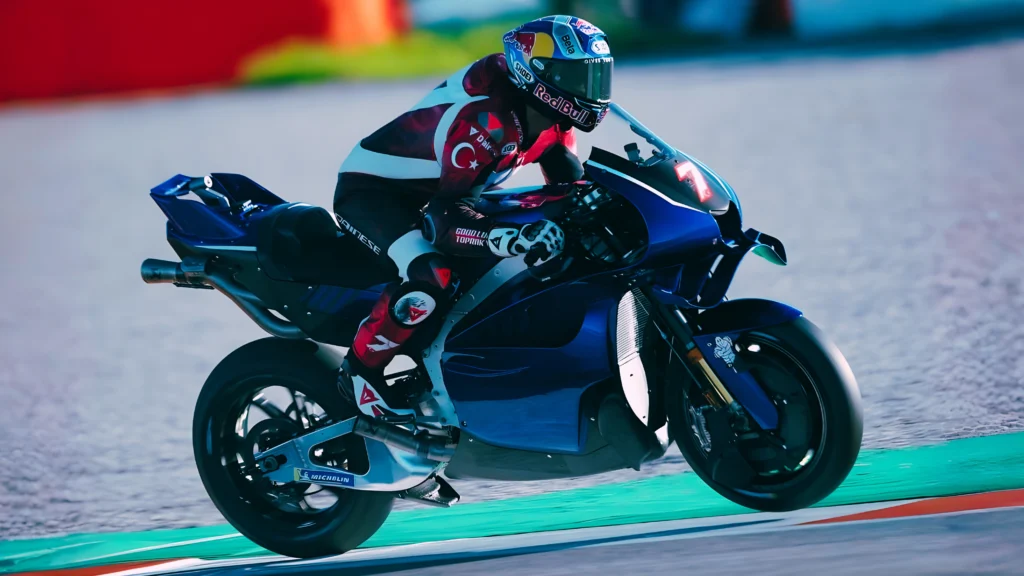
BRAKING AS THE MAIN BATTLEFIELD
What elevates this potential rivalry beyond simple curiosity is the battlefield on which it will most likely be decided: braking. In modern MotoGP, braking zones are no longer just entry points to corners, but arenas where dominance is asserted and psychological pressure is applied. This is where the rivalry between Toprak Razgatlioglu and Marc Marquez becomes genuinely compelling.
TOPRAK RAZGATLIOGLU: THE KING OF BRAKING
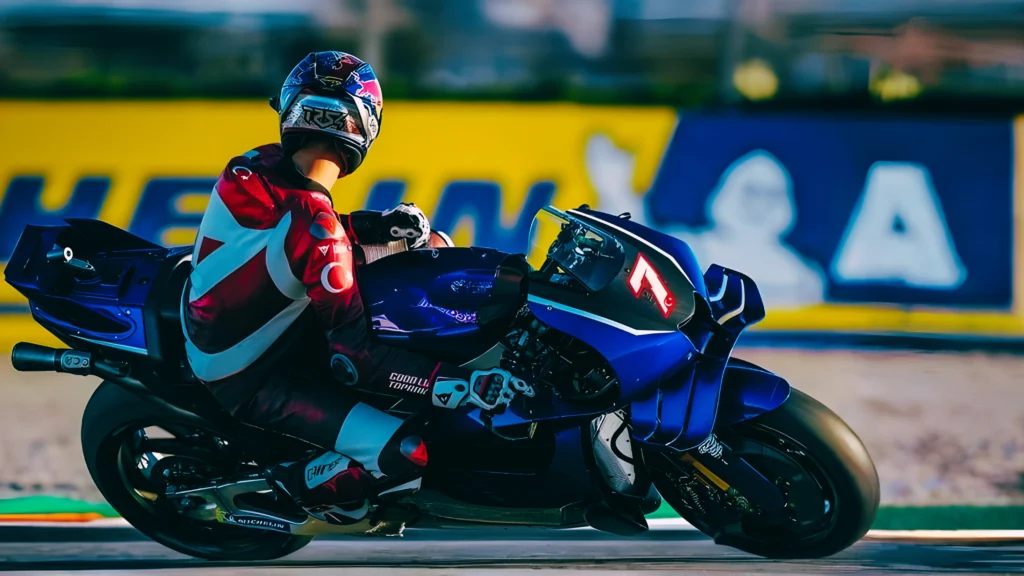
In World Superbike, Toprak is widely regarded as the most aggressive and inventive braker of his generation. His corner entries defy convention, often appearing unstable or chaotic, until they resolve into perfectly controlled exits. He attacks braking zones later than logic allows, leaning the bike deep into corners while maintaining control that borders on the unreal. This is not recklessness; it is a calculated defiance of conventional limits.
Related Post
MARC MARQUEZ: MASTER OF CONTROLLED CHAOS
Marc Marquez, however, is no stranger to this territory. His MotoGP legacy was forged through a mastery of controlled chaos. He has built championships on extreme braking, miraculous front-end saves, and an instinctive understanding of how close a rider can come to disaster without crossing the line. When Marquez approaches a corner, he does not simply brake—he negotiates with physics, bending it just enough to survive and often dominate.
WHERE THEIR STYLES WILL COLLIDE IN MOTOGP 2026
When these two riders arrive at the same braking zone, the contest will not be about who brakes later in absolute terms. It will be about who remains committed for a fraction of a second longer. That marginal hesitation—or refusal to hesitate—is where races are won and reputations rewritten. Corner entry has long been Marquez’s stronghold, and it is precisely where Toprak feels most comfortable asserting himself.
CARBON BRAKES AND THE ADAPTATION CHALLENGE
If Toprak adapts swiftly to MotoGP’s carbon brake systems—far more violent and far less forgiving than the steel discs of World Superbike—he could become a threat far sooner than many expect. Carbon brakes reward commitment but punish uncertainty. For a rider whose identity is built around braking aggression, the adaptation phase will define whether his impact is gradual or immediate.
THE TIRE FACTOR: MICHELIN VS PIRELLI
Yet talent alone does not guarantee success in MotoGP. Tires represent the most formidable invisible barrier. In World Superbike, Toprak has spent years building an intuitive relationship with Pirelli rubber, praised for its feedback and relative forgiveness. Michelin tires in MotoGP demand a fundamentally different approach. They require exact front loading, precise temperature management, and unwavering trust.
MARQUEZ’S MICHELIN EXPERIENCE VS TOPRAK’S LEARNING CURVE
Marquez possesses a decade-long education on Michelin tires. He knows when the front tire is communicating, when it is beginning to slide, and when it is about to vanish entirely. That knowledge cannot be fast-tracked. Toprak will be forced to unlearn deeply embedded muscle memory and rebuild his instincts under extreme pressure. This transition has undone many champions before him, regardless of talent.
MOTOGP 2026 TECHNOLOGY: AERO, ELECTRONICS, AND RIDE-HEIGHT DEVICES
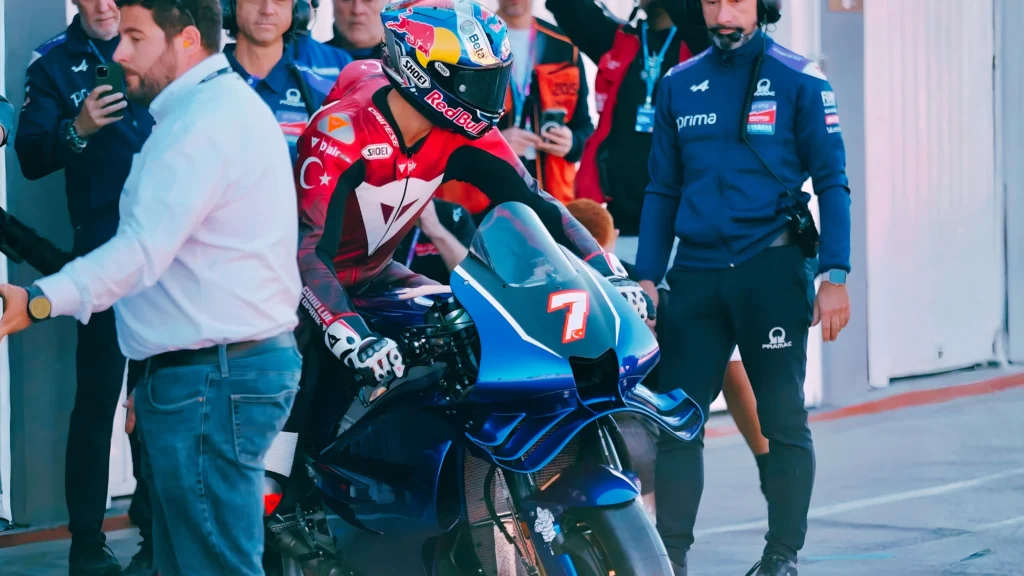
Beyond tires lies another opponent that cannot be ignored: technology. MotoGP in 2026 is as much an engineering contest as it is a riding one. Aerodynamic wings, ride-height devices, electronic intervention, and chassis balance demand restraint and precision. Excessive movement is punished, and overcorrection is amplified. Toprak’s expressive, aggressive riding style may require refinement—not dilution, but alignment with MotoGP’s technical realities.
Marquez, by contrast, has endured multiple technological revolutions throughout his career. He has adapted to changing frames, evolving aerodynamics, shifting electronics, and repeated injury setbacks. His experience has taught him how to extract performance even when the package is imperfect.
PSYCHOLOGY: FEARLESSNESS VS EXPERIENCE
MotoGP is not governed solely by machinery or technique. Psychology plays a decisive role. Toprak enters MotoGP without reverence for reputations or past achievements. His approach is direct, confrontational, and refreshingly uncomplicated. Riders ahead are not legends to him; they are obstacles. Gaps are not warnings; they are opportunities.
This mindset introduces unpredictability. It encourages overtakes others would dismiss as unrealistic and forces even the most experienced champions to react rather than dictate. Marquez has thrived when hunted, but a challenger with nothing to lose applies a different kind of pressure.
CAN TOPRAK WIN IN MOTOGP 2026?
Expecting a rookie to claim a MotoGP title immediately would be unrealistic, especially in an era of such technical complexity. However, dismissing Toprak’s potential impact would be equally misguided. With competitive machinery beneath him, he possesses all the tools necessary to win races, secure podiums, and disrupt championship dynamics. Even occasional victories would shift the psychological balance at the front of the grid.
PADDOCK POLITICS AND CULTURAL ADAPTATION
There is also a cultural adaptation awaiting Toprak in MotoGP. Beyond speed and pressure lies a political landscape far more complex than World Superbike. Every move is scrutinized, every mistake magnified, and every success framed by broader narratives. Marquez understands this environment intimately, having learned when to push boundaries and when to retreat strategically.
READ ALSO : Francesco Bagnaia’s Fall from Grace: Marquez Crushes His Teammate’s Title Hopes in Ruthless Fashion
HOW THIS RIVALRY COULD RESHAPE MOTOGP 2026
If Toprak adapts not only to the motorcycle but also to the paddock itself, the implications could be profound. A confident Toprak does not merely score points; he disrupts rhythms, forces errors, and destabilizes champions. MotoGP 2026 could evolve from a season defined by control into one driven by constant tension.
MOTOGP 2026 IS NO LONGER ABOUT COMFORT
Ultimately, MotoGP rewards those who refuse comfort and embrace confrontation. With Toprak Razgatlioglu stepping into the premier class, the championship may witness the birth of a rivalry rooted not in ceremony or reputation, but in relentless pressure and refusal to yield. This is not a story about gradual adaptation. It is a story about arrival with intent—and the consequences that follow.